
Glossary
| Term | Definition |
|---|---|
| Content Commerce | The practice of integrating storytelling, editorial, and educational content with transactional e-commerce experiences. |
| Shoppable Content | Visual or editorial content embedded with product links, allowing direct purchases. |
| Headless Commerce | A decoupled e-commerce architecture where the frontend (content) is separated from the backend (commerce engine). |
| Editorial Content | Blog posts, articles, videos, or guides designed to inform, entertain, or inspire. |
| Conversion Rate | The percentage of website visitors who complete a desired action, such as a purchase. |
| Rich Media | Interactive elements such as video, imagery, carousels, or embedded social posts. |
The Ultimate Guide to Integrating Content with Commerce for eCommerce Success
Introduction
Integrating content with commerce is no longer optional. In today’s hyper-competitive digital landscape, brands must go beyond product listings and leverage content to build narratives, create emotional resonance, and inspire action.
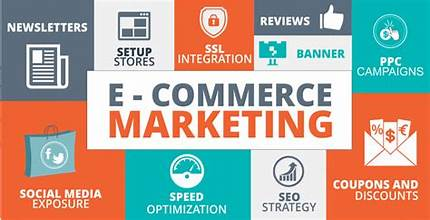
This guide dives deep into the strategies, platforms, and technologies behind successful content-commerce integration, with real-world examples, tools, and SEO-optimized techniques to future-proof your digital store.
1. What Is Content in the Context of E-Commerce?
Content refers to all the non-transactional elements that enrich the customer experience. This includes:
- Blog posts
- Product storytelling
- Video explainers
- Tutorials and how-tos
- Reviews and user-generated content
Purpose: Content is used to educate, entertain, build trust, and ultimately drive conversions. It answers the “why” behind a purchase.
Examples:
- TOAST: Uses lifestyle imagery and videos to emotionally connect users to its products.
- Allbirds: Integrates sustainability storytelling throughout its site, strengthening its brand identity.
2. Why Content Increases Conversions
Consumers no longer want to just shop; they want to connect. Effective content marketing:
- Builds credibility and trust
- Educates consumers to make confident purchase decisions
- Differentiates your brand
Case Study: Mane Addicts A content-first beauty brand with a loyal following launched a brush via content-heavy landing pages. Result? Sold out in 24 hours.
Table: Content Formats & Conversion Benefits
| Content Type | Conversion Benefit |
|---|---|
| How-to Blog Post | Increases time on site, boosts SEO, supports product use |
| Video Demo | Reduces return rate, explains product functionality |
| Product Storytelling | Adds emotional value, justifies pricing |
| Comparison Chart | Helps users make faster, more confident decisions |
3. Should Content and Commerce Be Separate?
Short Answer: No.
They should work in unison depending on your business model:
- Content-led: Blogs adding product links (e.g., Mane Addicts)
- Commerce-led: Product pages with embedded content (e.g., TOAST, Gymshark)
Why It Matters: Search engines love rich content. Embedding helpful media on product pages increases organic traffic and time on site.
4. Adapting Content to Different Shopping Behaviors
Today’s consumers use multiple touchpoints before buying:
- Mobile-first browsing
- Influencer reviews on TikTok
- Pinterest boards
Tips for Omnichannel Content Strategy:
- Shorten desktop videos for social platforms
- Turn blog posts into infographics for Pinterest
- Reformat product reviews as Instagram Reels
Tools: Canva, Lumen5, Later
5. Technical Considerations for Seamless Integration
Shopify
- Built-in blogging tools
- Easy-to-implement landing pages
- Apps like PageFly or Shogun for visual storytelling
Headless Commerce
- Decoupled frontend using a CMS like Contentful or Sanity
- Ideal for rich media, storytelling, and speed
- Requires developer resources
Comparison Table: Shopify vs. Headless
| Feature | Shopify | Headless Commerce |
|---|---|---|
| Ease of Use | High | Medium to Low |
| Customization | Moderate | High |
| Media-Rich Capabilities | Limited | Extensive |
| Speed & Scalability | Standard | Exceptional |
| SEO Flexibility | Moderate | Advanced |
6. Best Practices for Blending Content and Commerce
- Embed videos directly in product pages
- Link related blogs under product recommendations
- Use user-generated content as visual testimonials
- Feature buying guides within the navigation
- Cross-promote articles in your email marketing flows
Tip: Add structured data markup to blog articles and shoppable content to improve visibility in Google Search.
7. Measurement and Optimization
Track content performance alongside product metrics:
| Metric | What It Tells You |
|---|---|
| Time on Page | Indicates content engagement |
| Bounce Rate | High rate may indicate disconnect between content and audience |
| Add-to-Cart Rate | Measures effectiveness of content in driving action |
| Assisted Conversions | Identifies indirect influence of blog/product guides |
Use tools like:
- Google Analytics 4
- Hotjar or Microsoft Clarity
- Triple Whale or Northbeam (for attribution)
Conclusion
When done right, content and commerce don’t just coexist—they elevate each other. Whether you’re a content-first publisher adding DTC products or a brand looking to enrich your PDPs, the opportunity lies in delivering stories that convert.
Want support crafting this strategy? Reach out to Blossom Ecom—we’ll help you turn browsers into buyers with the right content-commerce approach.
FAQ
Q1: What’s the difference between content-led and commerce-led brands? A content-led brand begins with storytelling (like a blog or media outlet), then adds products. Commerce-led brands start with products and add content to support sales.
Q2: How do I decide between Shopify and headless commerce? Choose Shopify for quick setup and simple content needs. Choose headless for custom storytelling and performance-focused builds.
Q3: How can I measure content ROI in e-commerce? Track metrics like time on page, bounce rate, scroll depth, and assisted conversions in Google Analytics.
Q4: What types of content convert best? How-to guides, reviews, comparison posts, video explainers, and storytelling-driven PDPs.
Q5: Can content help reduce returns? Yes. Videos and detailed descriptions help set accurate expectations and reduce buyer remorse.
Q6: Is user-generated content effective in commerce? Absolutely. It builds trust and adds authenticity to product pages and marketing materials.
Need help implementing this?
Let us take the hassle of managing your email marketing channel off your hands. Book a strategy call with our team today and see how we can scale your revenue, customer retention, and lifetime value with tailored strategies. Click here to get started.
Curious about how your Klaviyo is performing?
We’ll audit your account for free. Discover hidden opportunities to boost your revenue, and find out what you’re doing right and what could be done better. Click here to claim your free Klaviyo audit.
Want to see how we’ve helped brands just like yours scale?
Check out our case studies and see the impact for yourself. Click here to explore.

Read Our Other Blogs

Why Texting Is Taking Over Email Marketing


Do You Know Your Email Marketing Benchmarks?

How to Use Replenishment Emails to Boost Customer Retention

Klaviyo Custom Events: How to Track the Ecommerce Behaviors Shopify Doesn't Send by Default

Klaviyo vs Postscript: Choosing Your SMS Platform When You're Already on Klaviyo Email

Repeat Purchase Rate: The Diagnostic Framework for Finding Where Your Second Order Is Breaking Down

Apple Mail Privacy Protection: How to Measure Email Engagement When Opens Are Broken

Back-in-Stock Flow: The Highest-Intent Email Sequence Most Brands Never Build

Klaviyo Predictive Analytics: How to Use CLV, Churn Risk, and Expected Next Order Date to Drive Retention

Email Holdout Testing: How to Prove Your Retention Channel Is Actually Incremental

Klaviyo vs Omnisend: Which ESP Is Right for Your DTC Brand in 2026

Dedicated IP vs Shared IP for Ecommerce Email: When to Switch and When It Backfires

Quiz Funnels for Ecommerce: How to Grow Your List and Segment Subscribers Without Discounts

Klaviyo + Shopify Integration: The Complete Data Sync and Event Tracking Setup Guide

How to Repair Sender Reputation: The Recovery Playbook When Your Emails Land in Spam

Abandoned Cart Flow Strategy: Why Your Recovery Sequence Stops Working After Email One

Ecommerce Email Benchmarks: What Good Actually Looks Like for DTC Brands in 2026

Retention-Focused A/B Testing: What to Test in Email When You've Already Optimized the Basics

Klaviyo Segments vs Lists: How to Structure Your Audience Architecture for Scalable Retention

Email Deliverability for Ecommerce: The Complete Guide to Landing in the Inbox

Klaviyo List Hygiene: How to Clean Your Email List Without Killing Your Revenue

Sunset Flow: How to Win Back Unengaged Subscribers Before You Suppress Them

Welcome Flow Optimization: How to Turn New Subscribers Into First-Time Buyers Faster

Popup Strategy for Ecommerce: How to Grow Your List Without Training Customers to Wait for Discounts

Email Offer Architecture: How to Structure Promotions That Protect Margin and Still Convert

Klaviyo vs Attentive: Which Platform Is Right for Your DTC Stack in 2026

Migrating to Klaviyo: The Step-by-Step Playbook for Switching ESPs Without Losing Revenue

Browse Abandonment Flow: The Underbuilt Sequence Quietly Leaking Revenue

Post-Purchase SMS Flow: How to Use Text Messages to Build Loyalty After the First Order

Retention Marketing Dashboard: The Exact Metrics and Reports You Should Be Reviewing Weekly

Agency vs In-House Email Marketing: What Actually Moves the Needle for DTC Brands

SMS Marketing Strategy for Ecommerce: The Complete Guide

How to Set Up Klaviyo Flows: Complete Setup Guide

A/B Testing for Email: What to Test, How to Measure, When to Ship

Email Marketing KPIs: The Only Metrics That Matter for DTC

Email Revenue Attribution: What Klaviyo Gets Right and Wrong

Popup Strategy for Ecommerce: 6 Types That Actually Convert

RFM Analysis for Ecommerce: Segment Your Customers by Value

Email Segmentation for Ecommerce: The 5-Layer Model for DTC Brands

Welcome Offer Optimization: Converting Subscribers Without Deep Discounts

Email Warmup Strategy: How to Build Sender Reputation From Scratch

Email List Hygiene: How to Clean Your List Without Killing Revenue

SPF, DKIM, and DMARC: Email Authentication Explained for DTC Brands

The Complete Retention Marketing Strategy Guide (2026)

Winback Flow: How to Re-Engage Lapsed Customers Before You Lose Them

How to Audit Your Email Flows (The 125-Point Checklist)

Post-Purchase Email Flow: The Architecture That Drives Repeat Buyers

Sunset Flow: When and How to Remove Unengaged Subscribers

Cart Abandonment Flow: How to Recover Revenue Without Discounting

How to Build a Welcome Flow That Actually Converts

How to Build an Email Campaign Calendar Without Discounting

Browse Abandonment Flow: Converting Window Shoppers Into Buyers

The Abandoned Cart Email Strategy That Actually Recovers Revenue

How to Build a Welcome Flow That Actually Converts

Personalizing Push Notifications for Better Retention Outcomes

How to Craft Email Newsletters That Build Real Brand Loyalty
Top 3 Best eCommerce Content Management Systems of 2025
Email Marketing vs. Social Media: Which One Should Your Brand Focus On?

Attract More Customers: Which Videos to Use in Your Email Marketing and Why
8 eCommerce Customer Service Mistakes You NEED to Stop Making (Like, Yesterday)
Creating The Perfect E-Commerce Tech Stack

Types of Content eCommerce Brands Need in Their Marketing Mix
Ecommerce Email Mistakes: Blossom Ecom Article on How to Stop Sending Bad Emails & Start Making More Money
Boost Your Bottom Line: The Ultimate Guide to Integrating Website and Email Strategies for Your eCommerce Business
6 Powerful Ecommerce Loyalty Program Examples (and How to Build Your Own)
Loyalty-First Guide to Customer Reactivation Email Campaigns
Using Email Marketing to Supercharge Your Loyalty Program
Unpacking Brand and Conversion in E-Commerce Design
13 Scary E-Commerce Mistakes (and How to Avoid Them)
How to Reduce Your E-Commerce Bounce Rate and Boost Engagement
Email Marketing Tips + Trends

E-Commerce Returns Analysis & Crafting a Profitable Returns Policy

9 Pro Tips for A/B Testing Emails with HubSpot
AI and Email Marketing: The Future is Here
How to Skyrocket Your Email Open Rates and Click-Through Rates
Email Isn’t Dead: 4 Reasons It’s Still a Digital Marketing Powerhouse

Email Marketing Series – #3: Building a Strong Email List
Email Marketing Series – #4: 9 Tips for Creating High-Impact Email CTAs

Email Marketing Series – #2: How to Craft Attention-Grabbing Subject Lines
Email Marketing vs. Social Media Marketing — Which Should I Use?
Email Marketing Series – #1: Crafting an Effective Email Marketing Strategy
Email Open Rate: A Practical Guide

3 Effective Strategies to Make Email Your Marketing Heavyweight Champion

How to Attract New Leads with Video in Your Email Marketing
How to Determine the Profitability of Your eCommerce Website
Multi-Channel eCommerce: The Key to Growing Your Online Business
Understanding eCommerce Conversion Rate & Optimization
How to Optimize Your eCommerce Website for More Conversions
Top 3 eCommerce and Digital Marketing Trends for 2025

Optimizing Your Email Marketing Strategy: A/B Testing Explained
35 Eye-Opening Email Marketing Stats You Need to Know
7 Email Marketing Tips to Boost Your SEO

11 Common Email Marketing Mistakes That Are Tanking Your Conversions (And How to Fix Them)
Strategic SEO Tips for Email Marketing: Boost Engagement and ROI
How to Measure and Increase Email Marketing ROI (Plus Templates That Convert!)

Do Lifecycle Email Campaigns Really Drive Conversions? Here’s What We Found
How to Use Remailing in Your Email Marketing Strategy

B2B Email Marketing: Building Relationships and Converting Leads
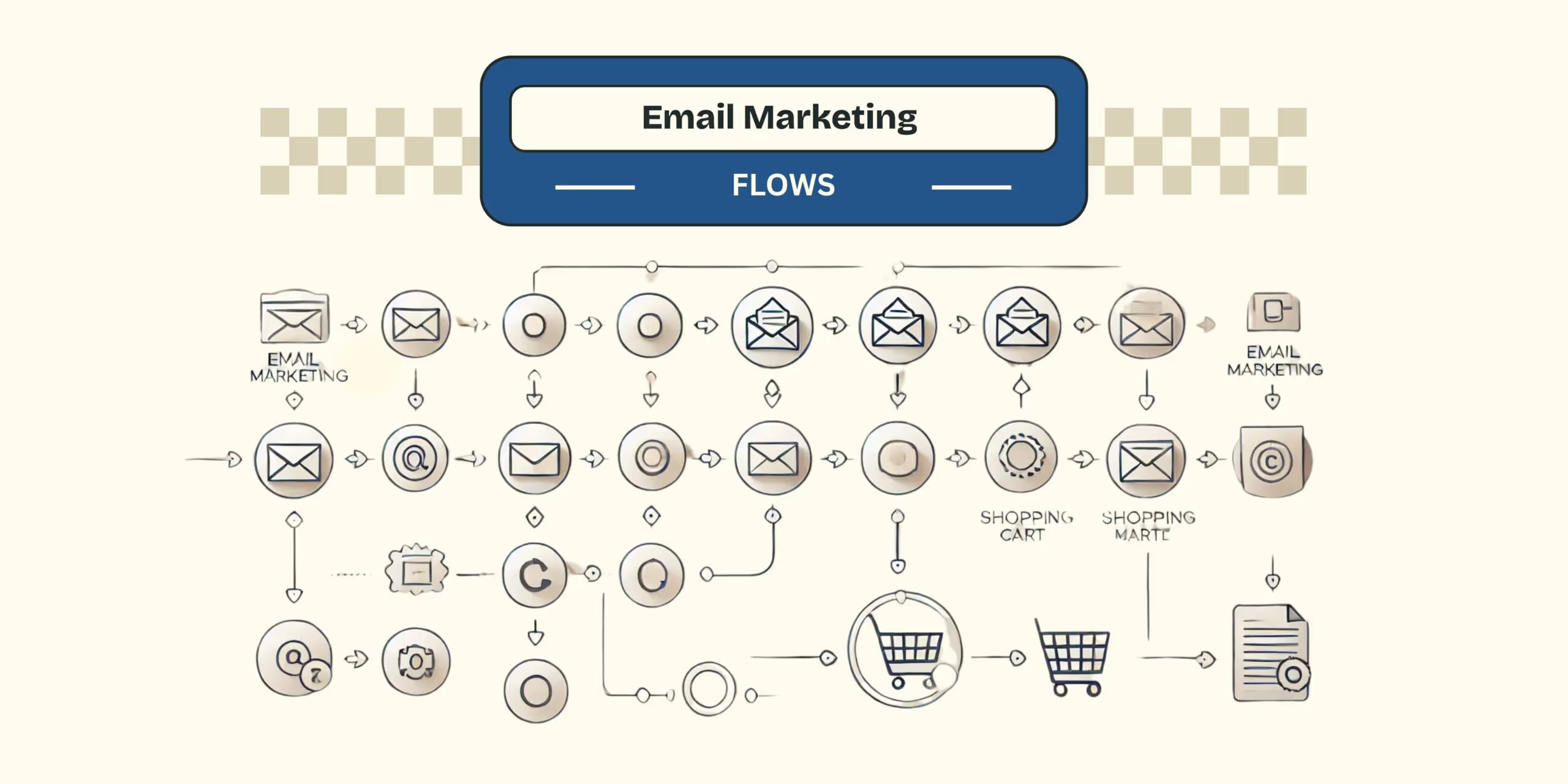
Core Email Marketing Flows: 2025 Essentials for Shopify

Top 5 Revenue-Generating Email Marketing Journeys (Straight from a Klaviyo Partner Agency)

The Long and the Short of It: Getting to “Yes” with Email Marketing
10 Email Marketing KPIs Every Marketer Needs to Know
3 Steps to Spring Clean Your Email Marketing Platform


Not Sure Where to Start?
Let's find the biggest retention opportunities in your business. Get a free Klaviyo audit or retention consultation.